Picture this: You’re scrolling through social media, and within milliseconds, you recognize a post from your favorite brand—not because of the logo, but because everything just feels right. The colors, the fonts, the vibe. That’s not magic; that’s the power of a well-crafted brand kit working behind the scenes.
Most business owners think a brand kit is just a fancy PDF that sits unused in a folder somewhere. But here’s the truth that might surprise you: your brand kit is the invisible thread that ties every customer interaction together, building trust, recognition, and ultimately, revenue.
In today’s hyper-competitive digital landscape, where consumers are bombarded with thousands of brand messages daily, consistency isn’t just nice to have—it’s your ticket to being remembered. Whether you’re a solopreneur launching your first venture or an established company looking to scale, understanding why a brand kit matters could be the game-changer your business needs.
Key Takeaways
- Brand kits create visual consistency that makes your business 3.5x more recognizable across all platforms
- Professional brand kit design builds immediate credibility and trust with potential customers
- The benefits of a brand kit for business include increased brand recall, streamlined marketing efforts, and higher conversion rates
- Consistent branding can increase revenue by up to 23%, according to industry research
- A comprehensive brand kit for business saves time, money, and eliminates guesswork for your team
- Your brand kit serves as a single source of truth for all visual communications
- Businesses with strong brand consistency are valued up to 20% higher than those without
What Exactly Is a Brand Kit and Why Should You Care
Let’s get real for a moment. A brand kit isn’t just a collection of pretty colors and fonts thrown together by a designer. Think of it as your brand’s DNA a comprehensive guide that defines who you are visually and how you show up in the world.
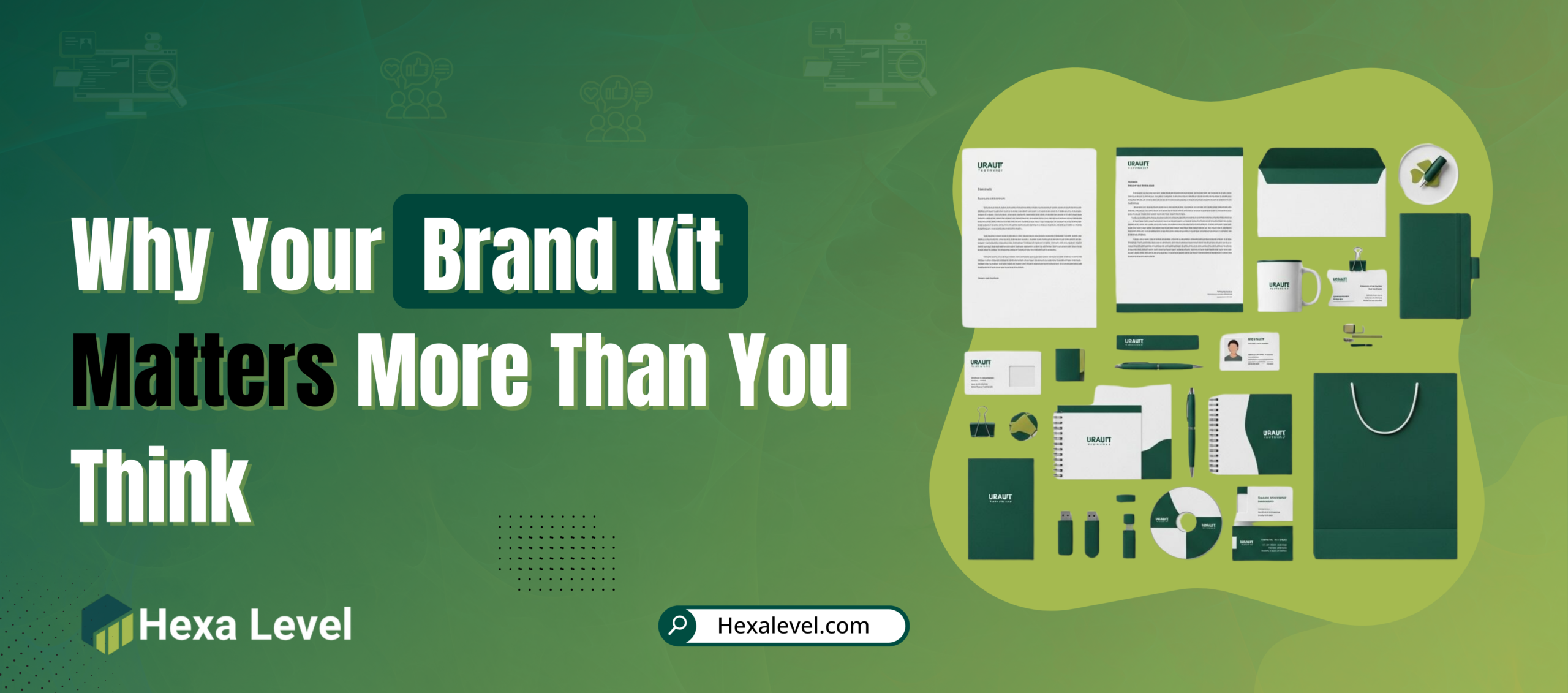
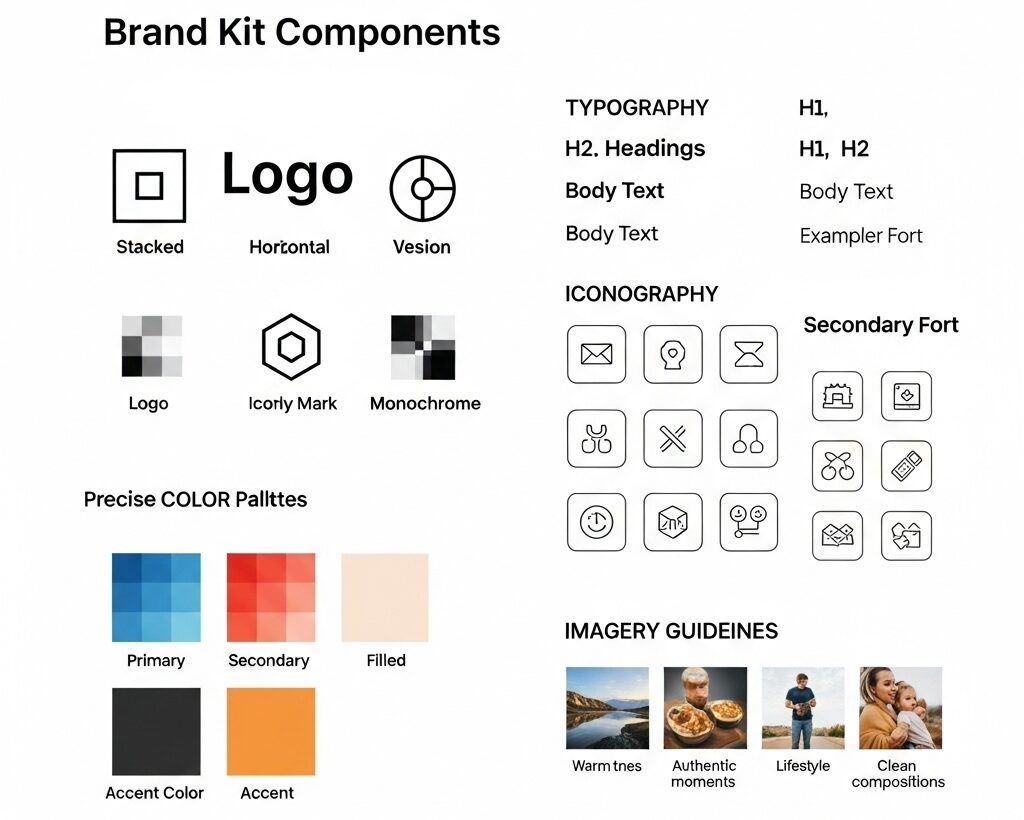
Your brand kit typically includes your logo variations, color palette, typography choices, imagery style, graphic elements, and usage guidelines. But more importantly, it’s the blueprint that ensures whether someone sees your Instagram post, receives your email newsletter, or visits your website, they’re experiencing the same cohesive brand.
The Psychology Behind Brand Recognition
Here’s something fascinating: the human brain processes visual information 60,000 times faster than text. When your branding is consistent, you’re essentially creating mental shortcuts in your audience’s minds. They don’t have to think about whether they trust you—they already associate your visual identity with your reputation.
Studies show that it takes 5-7 impressions for someone to remember a brand. But here’s the kicker—those impressions only count if your branding is consistent. Random, disconnected visuals? You’re essentially starting from scratch every single time.
Why a Brand Kit Matters for Your Business Growth
The connection between brand consistency and business success isn’t just theoretical—it’s backed by solid data and real-world results. Let’s break down exactly why investing in a proper brand kit for business should be at the top of your priority list.
💰 The Revenue Impact You Can’t Ignore
According to research by Lucidpress, consistent brand presentation across all platforms can increase revenue by an average of 23%. That’s not a typo—nearly a quarter more revenue simply by showing up consistently.
When your branding is scattered, customers subconsciously question your professionalism. Are you legitimate? Can they trust you with their money? A cohesive brand kit answers these questions before they’re even asked.
Building Trust Through Visual Consistency
Trust is currency in business, and your brand kit is the mint. When potential customers encounter your brand across different touchpoints—social media, website, email, print materials—and everything aligns perfectly, it signals reliability and attention to detail.
Think about brands you trust. Apple. Nike. Coca-Cola. Now imagine if their logo looked different every time you saw it, or their colors changed from platform to platform. That trust would evaporate instantly. Your business might be smaller, but the principle remains the same.
⏱️ Time and Money Savings That Add Up Fast
Here’s something most people don’t talk about: one of the biggest benefits of a brand kit for business is the incredible amount of time and money it saves. Without clear guidelines, every piece of content becomes a creative decision.
Should the heading be dark blue or navy? Which version of the logo fits here? What fonts are we using this month? These micro-decisions drain time, create inconsistency, and lead to expensive revision cycles. A solid brand kit eliminates this decision fatigue completely.
Consider this: If creating a social media post takes 30 minutes instead of 10 because you’re making design decisions from scratch, that’s 20 minutes wasted per post. Over a year with daily posting, that’s over 120 hours—an entire month of work weeks—lost to preventable inefficiency.
Let’s Build Something Powerful Together
The Essential Elements of Professional Brand Kit Design
Creating an effective brand kit for business isn’t about throwing together some colors and calling it a day. Let’s walk through the critical components that make a brand kit actually work.
Your Logo Ecosystem
Your logo needs to be versatile enough to work everywhere—from a tiny social media profile picture to a massive billboard. A professional brand kit design includes:
- Primary logo: Your main identity mark
- Secondary logo: Alternative layout for different spaces
- Logo icon: Simplified version for small applications
- Monochrome versions: Black, white, and single-color variations
- Minimum size specifications: Ensuring legibility at any scale
- Clear space requirements: Protection zone around your logo
At Hexalevel, we’ve seen countless businesses struggle because they only have one logo file that doesn’t adapt to different contexts. This leads to stretched, pixelated, or illegible branding—all credibility killers.
🎨 Color Palette That Performs
Colors aren’t just aesthetic choices—they’re psychological triggers. Color psychology research shows that color increases brand recognition by up to 80%. Your brand kit should include:
- Primary colors: 2-3 main colors that define your brand
- Secondary colors: Supporting shades for variety
- Neutral colors: Backgrounds and text colors
- Accent colors: For highlights and calls-to-action
- Exact color codes: HEX, RGB, CMYK, and Pantone values
Pro tip: Include guidance on color usage percentages. Your primary color should dominate (around 60%), secondary colors support (30%), and accents add pop (10%). This creates visual harmony across all materials.
Typography That Speaks Your Language
Fonts communicate personality before a single word is read. Your brand kit should specify:
- Headline font: Bold, attention-grabbing typeface
- Body font: Readable for longer text
- Accent font: Optional decorative font for special uses
- Font pairings: Which combinations work together
- Size hierarchies: H1, H2, H3, body text specifications
- Letter spacing and line height: For optimal readability
📸 Visual Style and Imagery Guidelines
This is where many brand kits fall short. Include clear direction on:
- Photography style (light, dark, candid, staged, etc.)
- Image filters or treatments
- Graphic element styles
- Icon design approach
- Patterns or textures
- Do’s and don’ts with real examples
Benefits of a Brand Kit for Business Across Different Industries
The impact of solid brand kit design varies by industry, but the benefits remain universal. Let’s explore how different sectors leverage brand kits for competitive advantage.
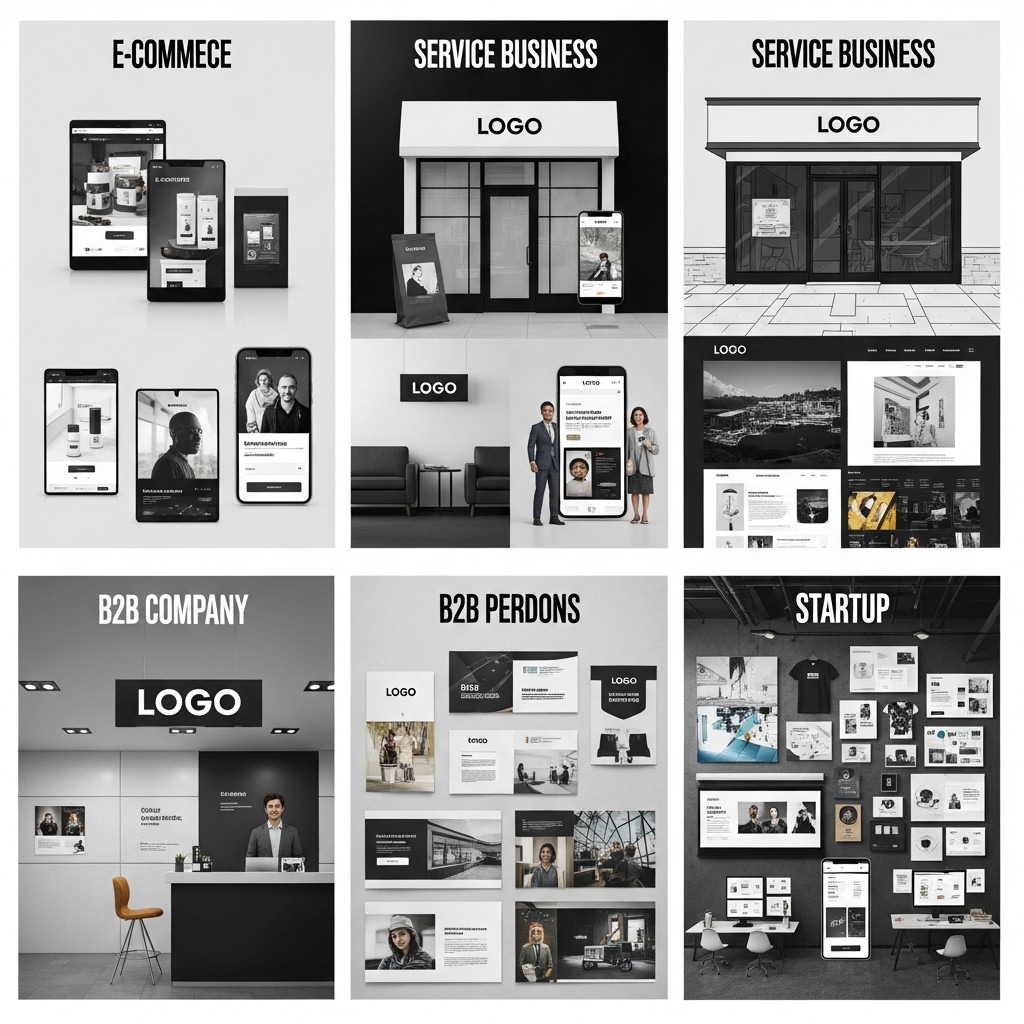
E-Commerce and Retail
For online stores, brand consistency directly impacts purchase decisions. Studies from the Journal of Business Research show that when your product photos, website design, social media, and packaging all align, you create a premium perception that justifies higher prices. Customers are willing to pay 20% more for brands they perceive as high-quality and consistent.
Service-Based Businesses
Coaches, consultants, and agencies sell intangibles—trust is everything. A professional brand kit for business establishes authority before the first conversation. When your website design, proposal templates, and presentation decks all reflect the same polished brand, you’re signaling expertise and professionalism.
🏢 B2B Companies
Business buyers are even more skeptical than consumers. A cohesive brand kit signals stability and reliability—critical factors in long-term business relationships. Companies with strong brand consistency see 33% higher client retention rates.
Startups and Entrepreneurs
When you’re building from scratch, every interaction counts. A solid brand kit helps you punch above your weight class, competing visually with much larger, established competitors. It’s your secret weapon for looking legitimate from day one.
How to Create or Update Your Brand Kit
Ready to harness the power of professional brand kit design? Here’s your step-by-step roadmap to creating a brand kit that actually works for your business.
Step 1: Define Your Brand Strategy First
Before choosing colors or fonts, get crystal clear on:
- Brand mission: Why do you exist?
- Brand values: What do you stand for?
- Target audience: Who are you serving?
- Brand personality: If your brand were a person, who would they be?
- Competitive positioning: What makes you different?
This foundation ensures your visual identity authentically represents your brand essence. Skipping this step is like decorating a house before building the foundation.
Step 2: Develop Your Visual Identity System
Now it’s time to translate strategy into visuals:
- Research and inspiration: Study successful brands in your industry and adjacent markets
- Mood boarding: Collect visual references that resonate with your brand personality
- Initial concepts: Create 2-3 different visual directions to explore
- Refinement: Select one direction and perfect every element
- Testing: Apply your brand to various mockups to ensure versatility
Step 3: Document Everything Thoroughly
A brand kit only works if it’s usable. Create comprehensive documentation that includes:
- Visual examples of correct usage
- Common mistakes to avoid
- Templates for frequent applications
- File organization system
- Naming conventions for brand assets
Step 4: Implement Across All Touchpoints
Audit every place your brand appears and systematically update:
- 🌐 Website design and all web properties
- Social media profiles and content templates
- Email signatures and newsletter templates
- Presentation decks and proposal documents
- Marketing materials and advertisements
- Physical collateral (business cards, signage, packaging)
Step 5: Train Your Team and Maintain Consistency
Your brand kit is worthless if nobody uses it correctly:
- Conduct brand training sessions
- Create quick-reference guides
- Establish a brand champion or custodian
- Set up approval processes for brand applications
- Schedule regular brand audits (quarterly or bi-annually)
Common Brand Kit Mistakes That Cost Businesses Dearly
Even with the best intentions, many businesses sabotage their own branding efforts. Let’s highlight the pitfalls to avoid.
🚫 Mistake 1: Creating a Brand Kit That Lives in a Drawer
The most common failure? Spending time and money developing a beautiful brand kit that nobody actually uses. This happens when the guidelines are too complex, inaccessible, or not communicated properly to the team.
Solution: Make your brand kit easily accessible (cloud storage that everyone can access), user-friendly (clear, visual guidelines), and actually practical for real-world applications.
Mistake 2: Being Too Rigid or Too Flexible
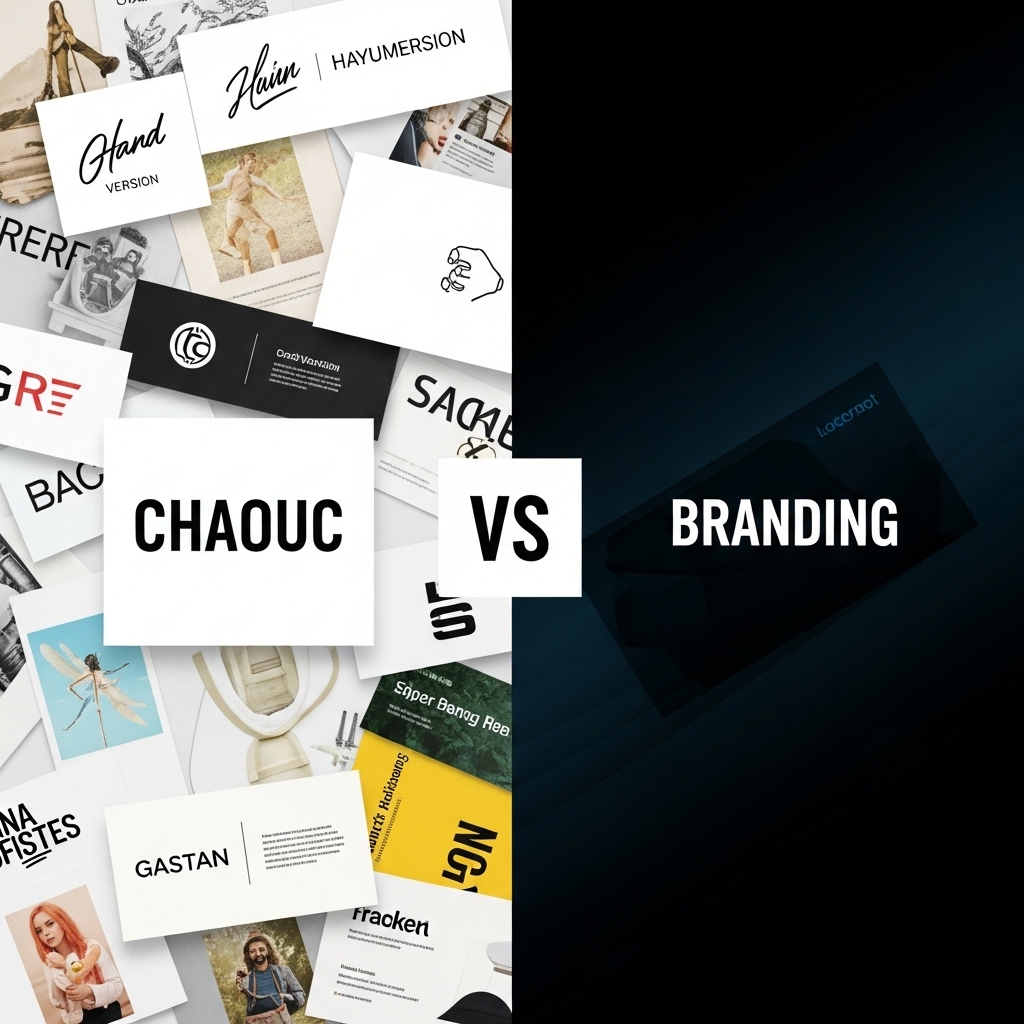
There’s a delicate balance here. Overly strict guidelines stifle creativity and make your brand feel robotic. But too much flexibility defeats the purpose entirely, leading to inconsistency.
Solution: Define what’s non-negotiable (logo usage, core colors, primary fonts) and where creative interpretation is allowed (supporting graphics, photography style within parameters).
Mistake 3: Forgetting About Digital Applications
Many brand kits are still designed with print in mind, leading to problems when applied to websites, apps, and digital platforms. Colors that look great in CMYK might not translate to RGB screens. Fonts might not load properly on websites.
Solution: Ensure your brand kit includes web-safe fonts, digital color values, and guidelines specific to digital applications. At Hexalevel, we specialize in creating brand kits optimized for digital-first businesses.
Mistake 4: Not Planning for Growth and Evolution
Your brand kit should be a living document. As your business grows, enters new markets, or launches new products, your brand needs to flex without breaking.
Solution: Build scalability into your system from the start. Include expansion guidelines for sub-brands, product lines, or regional variations.
Let’s Build Something Powerful Together
Take Action: Invest in Your Brand Kit Today
Your brand is working for you 24/7, even when you’re sleeping. But only if it’s consistent, professional, and strategically designed. Every day without a proper brand kit is a day of missed opportunities, wasted time, and diluted brand equity.
The businesses winning in 2026 aren’t necessarily the ones with the biggest budgets—they’re the ones with the strongest, most consistent brand presence. That starts with a professional brand kit for business.
Ready to elevate your brand? Hexalevel’s expert design team specializes in creating comprehensive, digital-optimized brand kits that actually get used. We don’t just hand you a PDF—we help you implement and maintain brand consistency across every touchpoint.
Schedule a free brand consultation to discover how a strategic brand kit can transform your business presence and drive measurable results.
Real-World Success Stories: Brand Kits in Action
Let’s look at concrete examples of how proper brand kit implementation drives business results.
Case Study: Service Business Transformation
A consulting firm came to us with scattered branding—different team members were using various logo versions, random colors, and inconsistent fonts across their proposals and presentations. Potential clients couldn’t recognize their content, and they were losing deals to better-branded competitors.
After implementing a comprehensive brand kit:
- Proposal win rate increased by 37% within six months
- Social media engagement grew 156% due to recognizable, cohesive content
- Time spent creating marketing materials decreased by 45% because of clear templates
- Brand perception scores improved by 62% in client surveys
The Startup That Looked Established
A tech startup launching in a crowded market needed to appear credible despite being brand new. With a professional brand kit design, they created such a polished, consistent presence that potential investors assumed they were a much more established company.
The result? They secured seed funding 40% faster than the average timeline in their sector, with investors specifically citing their “professional presence” as a confidence factor.
Brand Kit Design Trends Shaping
Staying current while maintaining consistency is the modern branding challenge. Here are the trends influencing brand kit development this year:
Adaptive and Responsive Branding
Static brand kits are out. Modern brands need systems that adapt to different contexts—dark mode vs. light mode, various screen sizes, different cultural markets—while maintaining core identity.
Inclusive and Accessible Design
Brand kits now must include accessibility guidelines: color contrast ratios for readability, alt text standards for images, and inclusive imagery that represents diverse audiences. The World Wide Web Consortium (W3C) provides comprehensive accessibility standards that modern brand kits should incorporate.
Motion and Animation Guidelines
As video content and digital experiences dominate, brand kits increasingly include guidelines for how logos animate, transition effects, and motion design principles that extend visual identity into dynamic formats.
Sustainability Messaging
Many brand kits now incorporate guidelines for communicating sustainability efforts, including eco-friendly color palettes, recycled material specifications for print, and messaging frameworks.
Tools and Resources for Brand Kit Management
Managing your brand assets effectively requires the right tools. Here’s what successful businesses use in 2026:
Digital Asset Management Platforms
- Canva Brand Kit: Budget-friendly option for small businesses
- Brandfolder: Enterprise-level solution for large organizations
- Frontify: Comprehensive brand management with collaboration features
- Bynder: Advanced DAM with AI-powered asset organization
Design and Implementation Tools
- Figma: Collaborative design platform perfect for creating and sharing brand guidelines
- Adobe Creative Cloud: Industry-standard for professional design work
- Sketch: Popular choice for digital product design
📱 Collaboration and Distribution
- Notion or Google Workspace: For accessible, living brand documentation
- Dropbox or Google Drive: Cloud storage for brand assets
- Slack integrations: Quick access to brand resources where teams already work
At Hexalevel, we help businesses select and implement the right tools for their specific needs, ensuring your brand kit is accessible and actually gets used by your team.
Measuring the ROI of Your Brand Kit Investment
You can’t improve what you don’t measure. Here’s how to track the impact of your brand kit for business:
Quantitative Metrics
- Brand recognition surveys: Test if people recognize your brand without seeing your name
- Website metrics: Time on site, bounce rate, and conversion rates often improve with consistent branding
- Social media performance: Engagement rates, follower growth, and content shareability
- Sales cycle length: Well-branded companies often see shorter sales cycles
- Customer acquisition cost: Consistent branding typically reduces CAC over time
Qualitative Indicators
- Team efficiency and satisfaction with brand assets
- Client feedback and perception surveys
- Media coverage and press mentions
- Partnership and collaboration opportunities
- Employee pride and brand advocacy
💡 Expected Timeframes
Be realistic about ROI timelines:
- Immediate (0-3 months): Time savings, improved team efficiency
- Short-term (3-6 months): Better engagement, increased recognition
- Medium-term (6-12 months): Higher conversion rates, stronger market position
- Long-term (12+ months): Brand equity growth, premium pricing power, reduced marketing costs
Your Brand Kit Action Plan: Next Steps
Feeling inspired but not sure where to start? Here’s your action plan:
For Businesses Without a Brand Kit
- Audit your current branding across all touchpoints
- Identify inconsistencies and pain points
- Define your brand strategy before visual work begins
- Decide DIY vs. professional help based on budget and expertise
- Set a realistic timeline (typically 6-12 weeks for a comprehensive kit)
For Businesses Updating an Existing Brand Kit
- Review your current brand kit for gaps and outdated elements
- Gather feedback from team members who use it
- Identify new applications needed (TikTok, new platforms, etc.)
- Refresh outdated elements while maintaining brand equity
- Plan a phased rollout of updates to avoid disruption
Partner with Experts Who Understand Your Needs
Creating a brand kit that drives real business results requires both creative expertise and strategic thinking. At Hexalevel, we don’t just design pretty brand guidelines we create comprehensive brand systems that integrate seamlessly with your website design, marketing funnels, and digital presence.
Our approach ensures your brand kit actually gets used, saving you time and money while building lasting brand equity. Contact our team to discuss how we can elevate your brand presence in 2026.
Frequently Asked Questions About Brand Kits
How much does a professional brand kit typically cost?
Brand kit costs vary widely based on scope and provider. DIY platforms like Canva offer basic brand kits for free to $30/month. Freelance designers typically charge $500-$3,000 for basic kits. Professional agencies (like Hexalevel) range from $2,000-$15,000+ for comprehensive brand systems that include strategy, design, and implementation support. Remember, this is an investment that pays dividends for years skimping here often costs more in the long run through wasted time and inconsistent branding.
What's the difference between a brand kit and brand guidelines?
How often should I update my brand kit?
Can I create an effective brand kit myself or should I hire a professional?
What file formats should be included in my brand kit?
How do I ensure my team actually uses the brand kit consistently?
Should my brand kit include social media specifications?
What's the biggest mistake businesses make with brand kits?
Conclusion
We’ve covered a lot of ground, but the core message remains simple: your brand kit for business isn’t just a nice-to-have design luxury it’s a strategic asset that directly impacts your bottom line.
Think back to the beginning of this article, where we talked about recognizing brands instantly. That’s the power you’re building with a professional brand kit design. Every consistent touchpoint reinforces your identity, builds trust, and makes it easier for customers to choose you over competitors.
The benefits of a brand kit for business extend far beyond aesthetics. You’re saving time, reducing costs, building brand equity, and creating a professional presence that commands higher prices and attracts better opportunities. In a world where attention is scarce and competition is fierce, consistency is your competitive edge.
Understanding why a brand kit matters is just the first step. The real question is: what will you do with this knowledge?
Will you continue with scattered, inconsistent branding that forces customers to work harder to remember you? Or will you invest in a strategic brand kit that does the heavy lifting of building recognition, trust, and loyalty?
The businesses thriving in 2026 have made their choice. They understand that every interaction is a brand interaction, and consistency compounds over time into something powerful: a brand that people recognize, trust, and choose again and again.
Your brand deserves better than random colors and fonts. Your team deserves clear guidelines. Your customers deserve a consistent experience. And you deserve the business results that come from getting your branding right.
Ready to transform your brand presence? Hexalevel’s expert team is here to create a comprehensive brand kit tailored to your business needs and goals. We handle everything from strategy to design to implementation, ensuring your brand shows up consistently and professionally everywhere it matters.
Start your brand transformation today because your brand kit matters more than you think, and every day without one is a day of missed opportunities.